







Search Results for: cleaning methods

Home Espresso Machine Maintenance Guide: Daily and Deep Cleaning Methods for the Steam Wand, Dispersion Screen, and Plumbing
As coffee culture becomes increasingly widespread, more and more households are purchasing espresso machines, but most users are not industry professionals and know very little about equipment cleaning and maintenance. Failure to clean regularly over time can lead to weakened steam, uneven water flow from the group head, unstable extraction pressure, and even portafilter leaks. In this article, Front Street will systematically share daily maintenance and deep cleaning methods for coffee machines, covering routine cleaning of the steam wand, dispersion screen, and portafilter, as well as deep maintenance essentials such as backflushing the pipes, replacing gaskets, and maintaining the water tank filter—helping your coffee machine run stably for the long term and avoiding unnecessary repair costs. [more…]
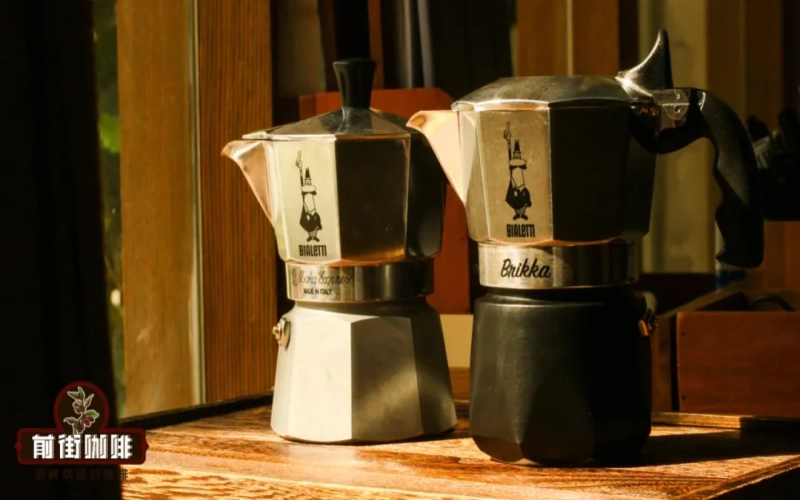
How to Deal with Oxidation and Blackening of a Moka Pot? Cleaning, Maintenance Methods, and Repair Tips for Aluminum and Stainless Steel Pots
Front Street Coffee has shared quite a few tips on using a moka pot and methods for making coffee with it, yet we've never systematically talked about cleaning and maintenance. As a result, the same question keeps popping up in our messages: what should you do when your moka pot has "gone dark"? So-called darkening refers to the pot's body turning black in spots due to oxidation, which often stems from improper cleaning after use. In fact, cleaning and maintenance are just as important as brewing—maintain your moka pot well and it will last a long time; maintain it poorly and not only will its lifespan be shortened, but it will also absorb odors and affect the flavor of your coffee. Today, Front Street Coffee will explain in detail the correct way to clean a moka pot, the key points of maintenance, and how to repair a moka pot that has already oxidized and turned black. [more…]
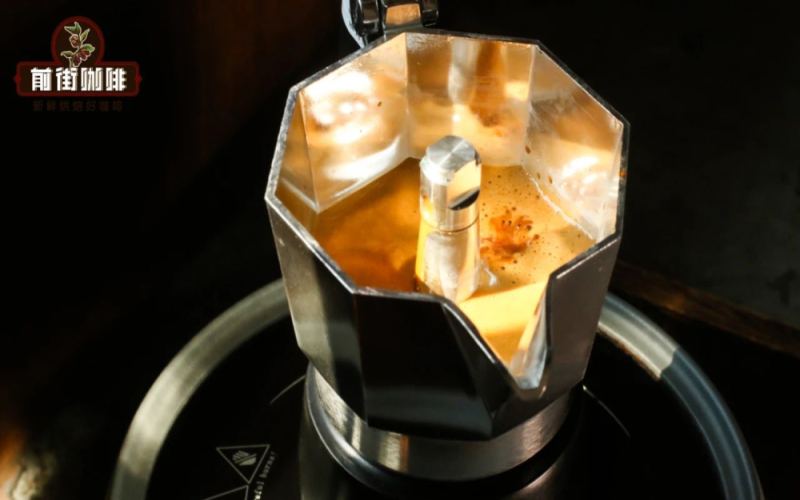
Complete Guide to Moka Pot Cleaning and Maintenance: Practical Methods to Prevent Aluminum Pot Oxidation and Blackening, and Replace Gaskets to Extend Service Life
The moka pot is a staple piece of equipment in many coffee lovers' homes, but if daily cleaning isn't done carefully enough, the aluminum body can easily oxidize and turn black, and the gasket and filter screen are often overlooked. This article explains in detail the key cleaning points for aluminum and stainless steel moka pots, walks through the steps for removing and cleaning the gasket and filter screen, their installation orientation, and replacement intervals, and offers repair solutions using white vinegar or lemon juice soaks for pots that have already oxidized. Mastering these methods not only keeps your coffee's flavor pure, but also effectively extends the moka pot's lifespan, letting it reliably brew every cup of coffee for you for years to come. [more…]
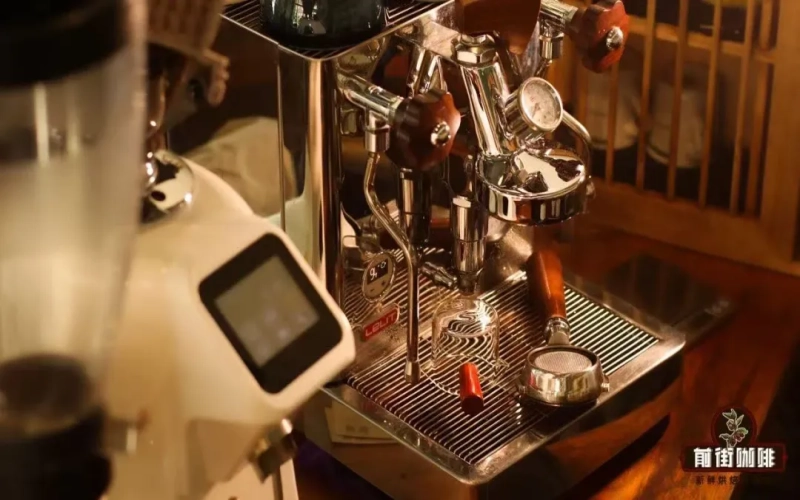
Espresso Machine Gasket Replacement Tutorial: Causes of Unstable Pressure, Weakened Steam, and Coarse Milk Froth, Plus Deep Cleaning Methods for the Whole Machine
Erratic pressure during extraction, weakening steam, and milk foam that just won't froth up no matter what—these problems are often not a sign of declining skill, but rather that your espresso machine is due for maintenance. Drawing on Front Street's practical experience, this article systematically lays out the daily and deep cleaning routines for espresso machines: including flushing hot water before and after extraction, wiping the steam wand, backflushing, soaking the steam tip to remove scale, as well as how to judge when the group head gasket is wearing out and how to replace it yourself. It also covers the key cleaning points and recommended intervals for the water tank, boiler, and portafilter, helping you keep your espresso machine producing consistent shots and extend its service life. [more…]
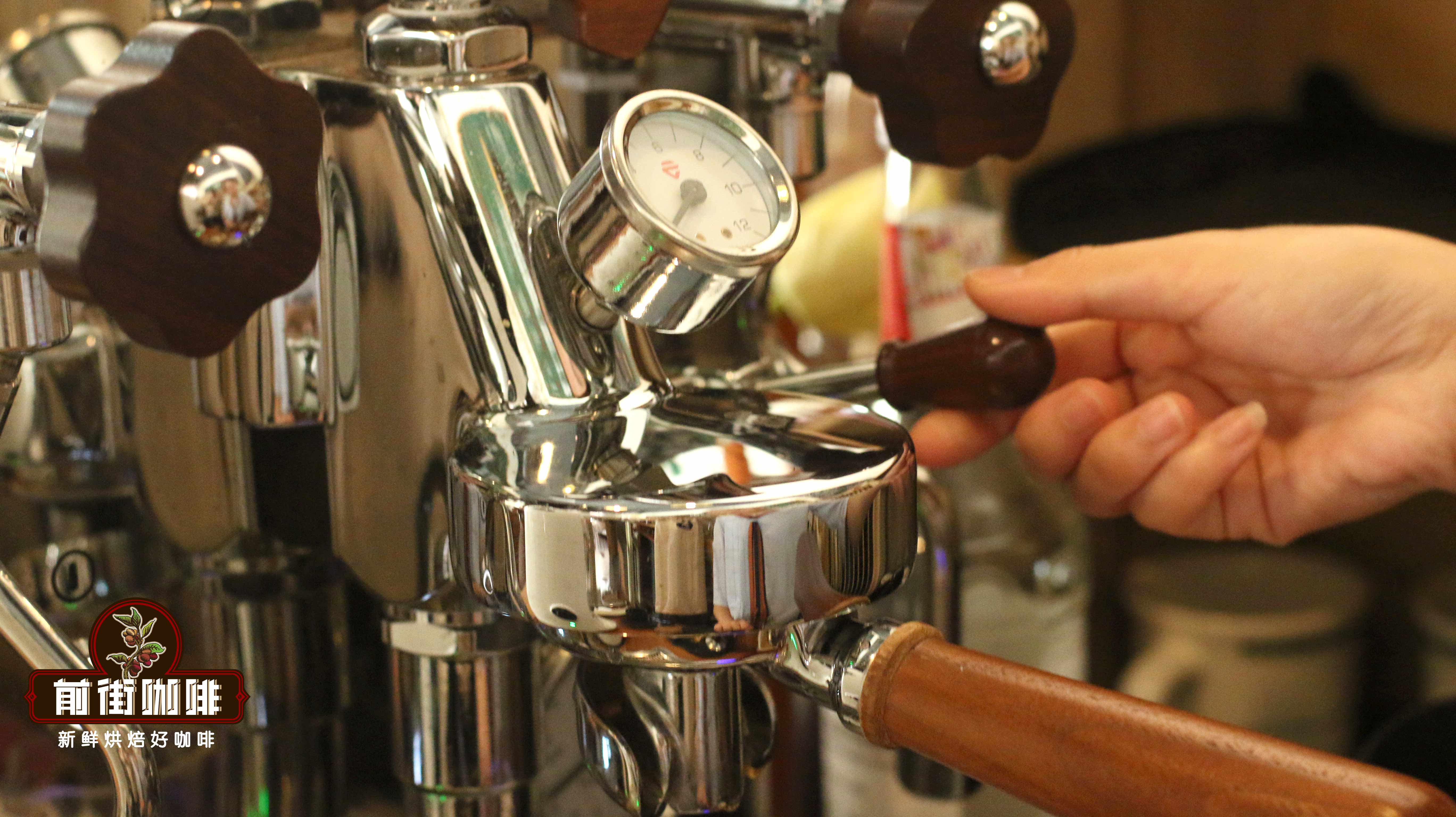
A Detailed Guide to Backflushing the Group Head of a Semi-Automatic Espresso Machine and Daily Maintenance Methods
The espresso machine is the core equipment of a coffee shop. Regular cleaning not only extends the machine's lifespan but also ensures the consistency of every cup produced. This article focuses on the key step of cleaning the interior of the group head, explaining in detail the specific procedures for quick cleaning, daily backflushing, and long-term maintenance. From judging residue on the dispersion screen to the backflush process using a blind basket with cleaning powder, and then to soaking the portafilter to remove oils, each step has clear requirements for timing and frequency. At the end, it also reminds readers that professional deep maintenance is needed every 1–2 years, making this a worthwhile reference for both coffee enthusiasts and industry professionals. [more…]
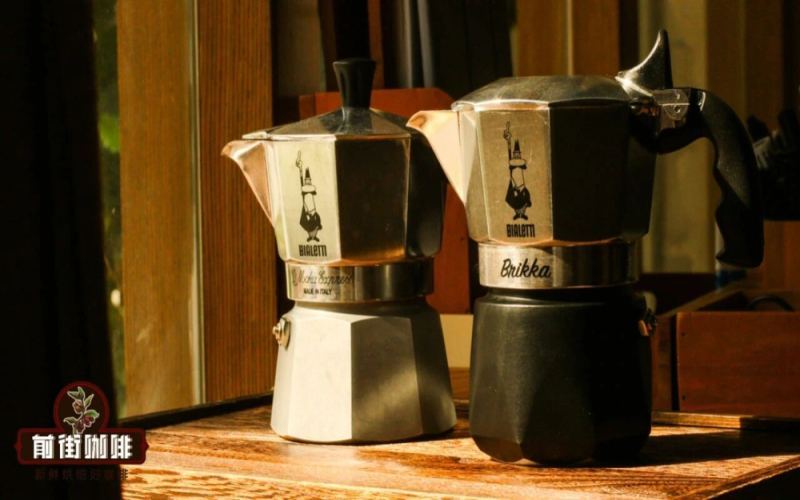
The Complete Guide to Moka Pot Cleaning and Maintenance: How to Prevent Oxidation and Leaks in Aluminum and Stainless Steel Pots, and Fix Blackening
Over time, a moka pot can develop dark spots or patches on its body, and this is usually caused by improper cleaning methods. Many people focus only on how to brew coffee with a moka pot, but overlook that cleaning and maintenance are equally important. With proper care, a moka pot can stay with you for many years; with improper care, not only will its lifespan be shortened, but it will also absorb odors and affect the flavor of your coffee. Moka pots on the market are mainly divided into two types: aluminum and stainless steel, and different materials require very different cleaning methods. Aluminum pots require particular attention, because they easily react with alkaline ingredients or chlorine in cleaning agents, leading to corrosion and oxidation, and they also absorb the smell of detergent. This article will systematically share the correct steps for daily moka pot cleaning, the differences in care between aluminum and stainless steel pots, and repair techniques for when the pot body has already turned "black," helping you extend the life of your beloved pot and keep every cup of moka coffee pure and delicious. [more…]
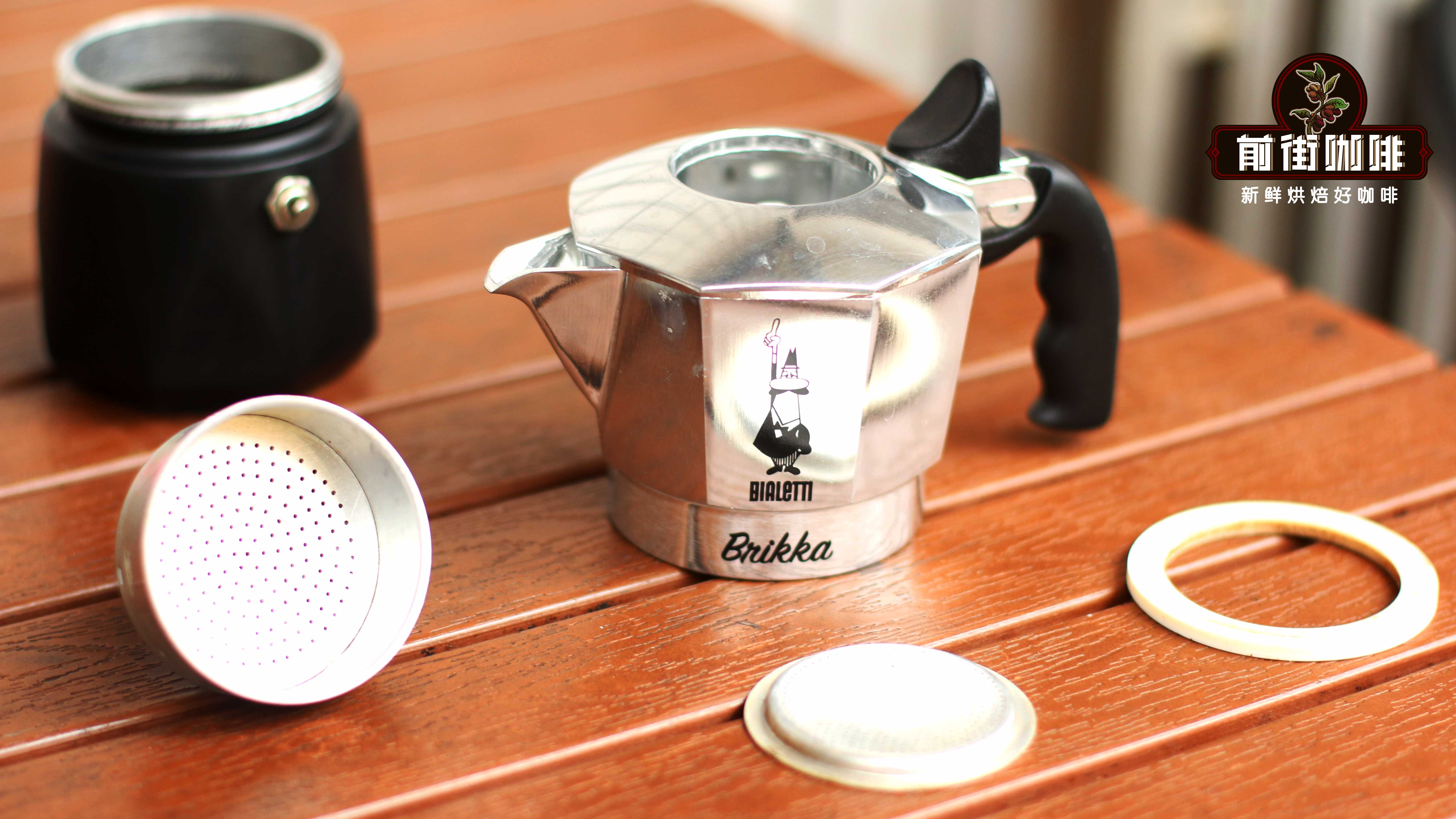
Detailed Guide to Moka Pot Seasoning Steps: Cleaning Methods, Burn Prevention Tips, and Explosion Risk Avoidance
A newly purchased moka pot also needs to undergo a "seasoning" process like an iron wok, in order to remove metal shavings and oil residue left from manufacturing. But seasoning is not simply rinsing—it involves many details: Why can't you season it with just water? When should you stop heating to avoid bursting the pot? How should you clean and store it properly? Front Street Coffee will explain in detail the correct method for seasoning a moka pot, and share key precautions during use, helping you safely and efficiently enjoy the coffee pleasure brought by a moka pot. [more…]
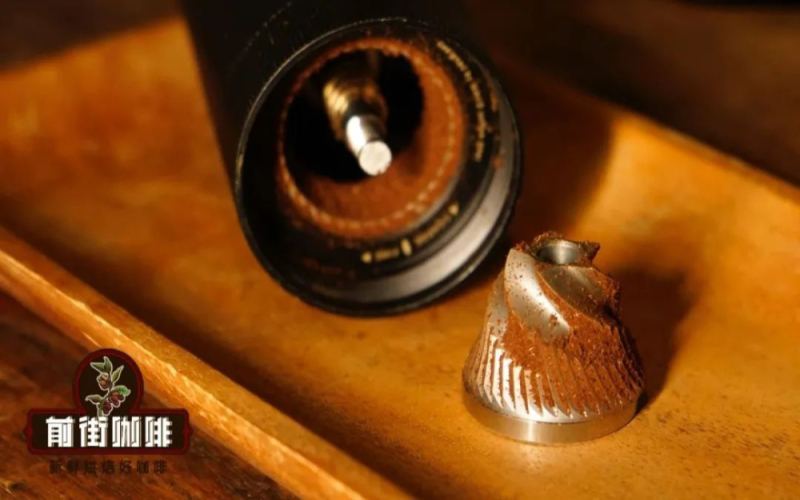
Complete Guide to Cleaning and Maintaining Manual and Electric Coffee Grinders: Brush Cleaning and Deep Maintenance Essentials
Coffee grinding equipment is mainly divided into two categories: manual and electric. Different brands and price points not only affect appearance and grinding performance, but also determine differences in burr structure and particle size distribution. Regardless of which grinder you use, daily cleaning and regular maintenance of the burrs are key to extending the life of the equipment. The static electricity generated during grinding causes fine particles to stick to the metal burrs and the grounds bin. The more frequently it is used, the more residual grounds accumulate, and the oil released by dark-roasted beans worsens the buildup of oily residue. If not cleaned for a long time, old grounds not only produce a rancid oil smell, but also taint new grounds and clog the grinding path. This article will introduce grinder maintenance methods and precautions in detail across three levels: daily quick cleaning, cleaning without disassembly, and regular deep cleaning. [more…]
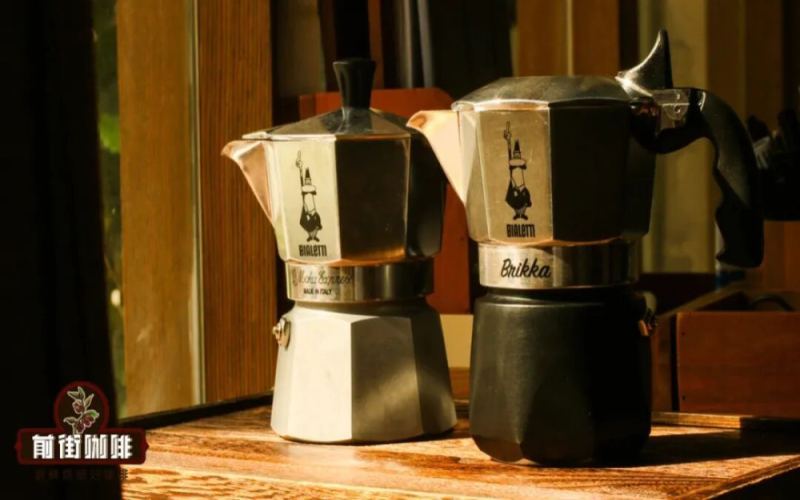
The Complete Guide to Moka Pot Cleaning and Maintenance: Avoiding Oxidation Blackening and Gasket Replacement Tips
Although the moka pot is small, cleaning and maintenance require real attention to detail. Many enthusiasts casually rinse it after use, only to find oxidized black spots on the body—not only does this affect its appearance, but it can also give the coffee an off-flavor. This article systematically covers the correct cleaning methods for aluminum and stainless steel moka pots, the key points for removing and reinstalling the gasket and filter screen, and how to repair a pot that has already "turned black." At the same time, Front Street will also recommend coffee beans suitable for moka pot extraction, so you can master everything from equipment maintenance to the flavor in the cup in one go. [more…]

Proper Operation Guide for Electric Coffee Grinders: Practical Tips for Adjusting Dose and Grind Size, and Daily Maintenance Methods
With the growing popularity of home coffee equipment, more and more people are choosing to use a pour-over kettle paired with a small electric grinder to make freshly ground coffee at home. However, using an electric grinder is not simply a matter of plugging it in, turning it on, and dumping in beans—some improper operating habits not only affect the coffee's flavor but can also shorten the grinder's lifespan. Drawing on Front Street Coffee's practical experience, this article shares several key tips for using an electric burr grinder, including "rinsing the burrs" before grinding to avoid flavor transfer, starting the machine before adding beans to protect the burrs, and daily quick cleaning plus periodic deep cleaning as maintenance methods. Whether you are a complete beginner or someone who has been using an electric grinder for a while, these details can help you get the most out of your grinder and keep every cup of coffee tasting consistently good. [more…]

Can a Coffee Grinder Be Washed with Water? A Detailed Guide to Daily Maintenance for Manual and Electric Grinders
Last week, Front Street Coffee shared nine details about brewing coffee, among which it mentioned that the grinder needs to be cleaned regularly. So a reader followed up with the question: Can a grinder actually be washed with water? To answer this question, we first need to understand the necessity of cleaning the grinder. The common grinding equipment on the market falls into two categories: manual and electric. Regardless of which type, the daily upkeep and regular maintenance of the burrs directly affect the service life. Accumulated coffee grounds not only cause flavor cross-contamination, but may also clog the passage. This article will detail the cleaning methods for manual and electric coffee grinders across three levels: daily quick cleaning, cleaning without disassembly, and regular deep cleaning, and will also remind you of the applicable conditions and precautions for washing with water. [more…]

A Detailed Explanation of Kenyan Coffee Washing Processes: The Differences Between Double Fermentation, K72, and Dry Fermentation
Kenyan coffee is famous for its bright, clean fruit flavors. Behind this lies not only high altitude and excellent varieties, but also masterful washed processing techniques. Kenya commonly uses double washing, which means re-soaking fermented beans in clean water for a second wash, and later variations such as K72 washing and dry fermentation washing emerged. How exactly do these differently named processing methods differ from conventional washing? From the perspective of Front Street, this article first sorts out the origins and steps of traditional washing, then analyzes the procedures and flavor characteristics of double washing, K72, and dry fermentation one by one, helping you understand the processing logic behind the unique fruit acidity of Kenyan coffee. [more…]

A Complete Guide to the Washed Coffee Processing Method: From Pectin Fermentation to Flavor Expression, Processing Steps, and Pros and Cons
The flavor of coffee beans depends not only on variety and origin—the processing method also plays a key role. This article systematically walks through the complete washed processing method—from removing floating beans and separating the skin and pulp, to fermenting away the mucilage, rinsing with clean water, and drying and hulling—and takes an in-depth look at the advantages and disadvantages of the washed method in terms of quality, appearance, cost, and water usage. At the same time, Front Street Coffee uses two washed beans—Kenya Asaliya and Yirgacheffe Gutingding—as examples to compare the flavor differences brought by different origins, altitudes, and varieties under the same processing method, helping readers build a more well-rounded understanding of washed coffee. [more…]
Sun-Dried vs. Washed Coffee Bean Processing Methods: A Professional Comparison from Fruit Structure to Flavor Expression
The annual global production of coffee beans reaches as high as 8.4 billion kilograms, and what influences the final flavor of a cup of coffee, besides variety, origin, and cultivation methods, is another crucial step—the processing method. Front Street Coffee believes that different processing methods lead to entirely different flavor directions. This article will provide an in-depth analysis of the complete process and characteristics of the washed processing method, starting from the anatomical structure of the coffee fruit, gradually breaking down each step of the washed method, and comparing the core differences with the natural method. At the same time, Front Street Coffee uses two washed beans, Kenya Asaliya and Yirgacheffe Gudingding, as examples, and through actual brewing experiments, demonstrates the flavor changes brought by different origins and varieties under the same processing method, helping coffee enthusiasts build a clearer framework for taste perception. [more…]
Which coffee varieties are suitable for the washed process? A detailed explanation of the flavor characteristics of washed coffee beans and the complete processing flow
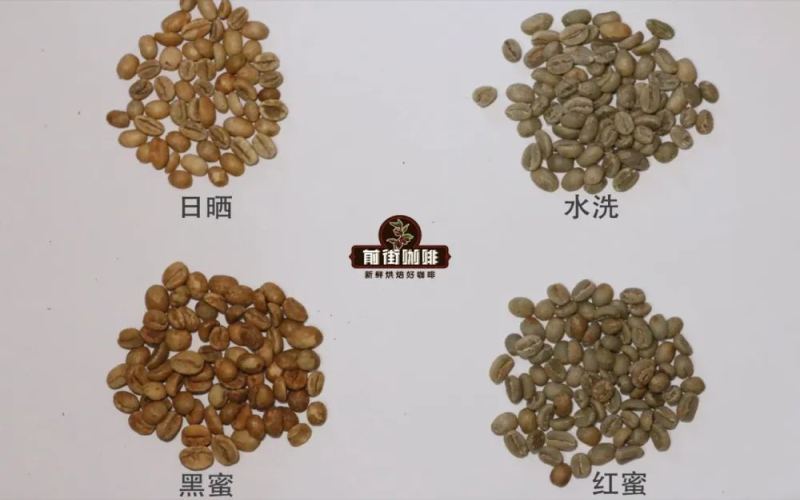
The washed processing method is one of the most common and most highly regarded processing methods in specialty coffee, known for its clean flavor, bright acidity, and uniform bean appearance. This article, from the perspective of Front Street Coffee, will systematically explain the structure of the coffee fruit, each step of the washed process, and the advantages, disadvantages, and flavor characteristics of washed beans. Through a comparative experiment between two washed beans—Kenya Asaliya and Yirgacheffe Gediding—it will demonstrate how the same processing method can present completely different flavor profiles under different origins, varieties, and altitude conditions. [more…]

Complete Guide to Espresso Machine Backflushing: Water and Detergent Steps and Recommended Frequency
You dialed in your espresso extraction parameters in the morning, but by noon the flow has slowed and become unstable? Besides changes in humidity and switching beans, coffee residue built up inside the group head is often the culprit. Backflushing is the key method for removing this residue—using a blind basket to force water to flow backward through the lines, then combining it with cleaning powder to deep-clean stubborn coffee grime. This article explains in detail the procedures for water backflushing and cleaning-powder backflushing, the number of repetitions, and the daily maintenance frequency, helping baristas maintain stable extraction and avoid off-flavors getting into the cup. [more…]
Daily Maintenance Guide for Espresso Machines: How to Properly Clean the Brew Head Shower Screen and Steam Wand
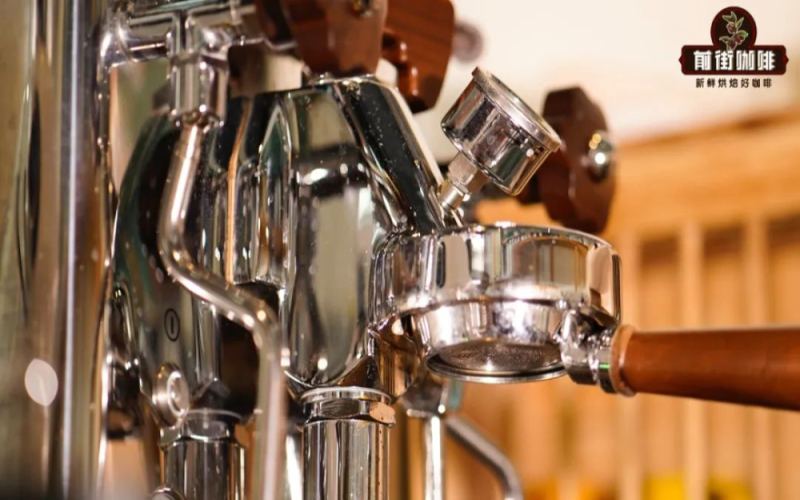
If a coffee machine lacks maintenance for a long time, extraction quality will gradually decline and may even cause malfunctions. This article takes the small espresso machine used in Front Street stores as an example to systematically explain the complete process of daily cleaning and deep maintenance for home coffee machines. The content covers key steps such as simple rinsing of the brew head dispersion screen and blind basket backflushing, wiping the steam wand surface and soaking the tip for descaling, and deodorizing the portafilter spout area. The article explains in detail the amount of special cleaning powder to use, control of backflush time and number of cycles, and precautions to avoid damaging the pressure relief valve. No matter what model is used, this method is basically universal, helping coffee enthusiasts maintain their machines at low cost and reduce the risk of needing repairs. [more…]
A Complete Guide to the Washed Process: Step-by-Step Flow, Flavor Characteristics, and How It Compares to Natural and Honey Processing
The annual production of coffee beans reaches as high as 8.4 billion kilograms, and the processing method is one of the key stages that determines the direction of flavor. The washed processing method is known for its clean, bright, and prominently acidic qualities, and serves as the foundational flavor benchmark for many specialty coffee regions. From the perspective of Front Street Coffee, this article systematically sorts out the complete steps of the washed method—from removing floating beans, depulping and demucilaging, fermentation, washing, to drying and hulling—and analyzes its advantages, disadvantages, and the causes of its flavor. At the same time, it compares the differences between natural and honey processing, and uses two washed beans, Kenya Asalia and Yirgacheffe Gedingding, as examples to show the diverse expressions of the same processing method under different origins, varieties, and altitudes. [more…]
Home Espresso Machine Cleaning and Maintenance in Practice: A Guide to Descaling and Replacing Gaskets on the Steam Wand, Group Screen, Portafilter, and Plumbing
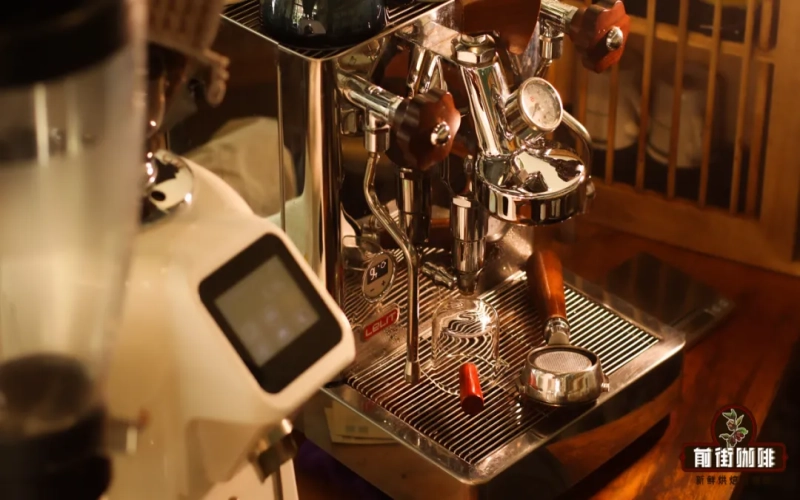
Many people buy an espresso machine without really knowing how to maintain it. If it isn't cleaned for a long time, the steam will weaken, the brew head will dispense water unevenly, the extraction pressure will fluctuate, and the portafilter may even leak after being locked in. Today, Front Street Coffee will talk about how to do daily maintenance and deep cleaning of home espresso machines, so the machine lasts longer and you save on unnecessary repair costs. The article will start with the daily cleaning of the steam wand, shower screen, and portafilter, then introduce deep maintenance methods such as soaking the steam wand, backflushing the pipes, replacing the gaskets, and maintaining the water tank filter, helping you take proper care of your espresso machine. [more…]

Washed Coffee Beans Pros and Cons | What Is the Washed Processing Method for Green Coffee? How Are Washed Beans Roasted? Recommended Delicious Washed Single-Origin Beans from African Regions
Everyone's demand for coffee is growing stronger by the day, with global coffee bean production reaching as high as 8.4 billion kilograms annually—an astonishing output. When it comes to coffee, Front Street believes that beyond variety, origin, and cultivation methods, there is another important process that influences coffee flavor: coffee bean processing methods. Different processing methods for coffee beans [more…]